PPGI Steel for Africa Market: Demand, Applications, and Supply Trends
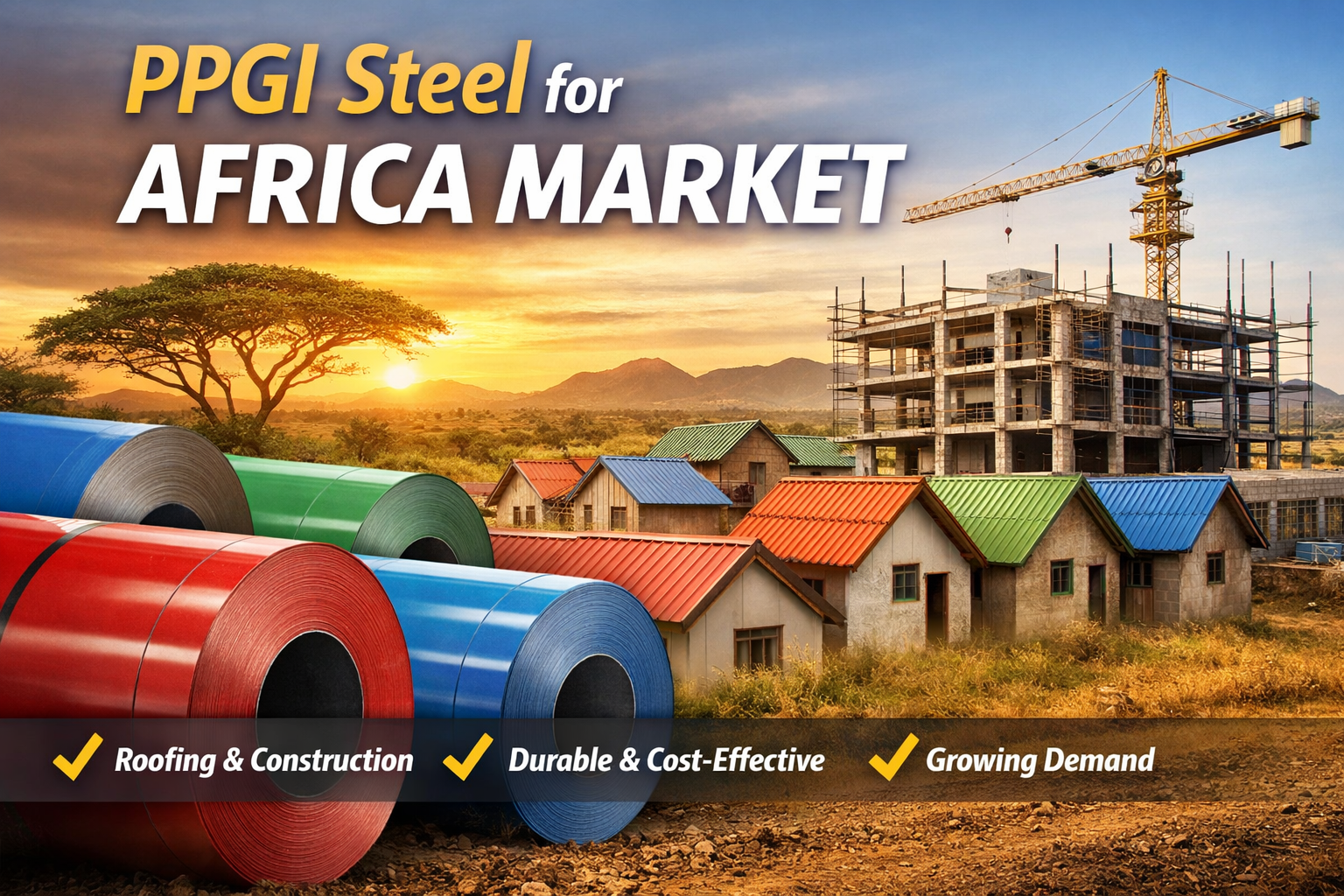
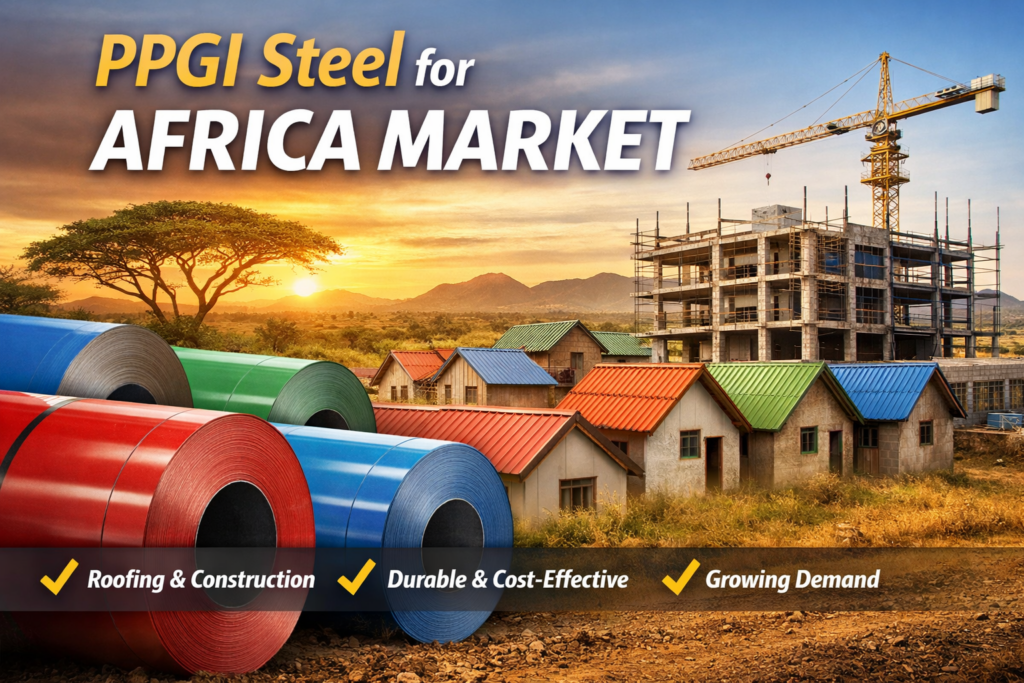
The Africa market has emerged as one of the fastest-growing destinations for PPGI steel (Prepainted Galvanized Iron), driven by rapid urbanization, infrastructure development, population growth, and increasing demand for affordable, durable construction materials. From residential roofing to industrial buildings and agricultural facilities, PPGI steel plays a critical role in meeting Africa’s evolving construction and manufacturing needs.
This article provides a comprehensive overview of PPGI steel for the Africa market, covering its technical characteristics, key applications, regional demand drivers, climate adaptability, specification requirements, and future market trends. It is designed for steel importers, distributors, contractors, and project developers seeking reliable and practical information.
What Is PPGI Steel?
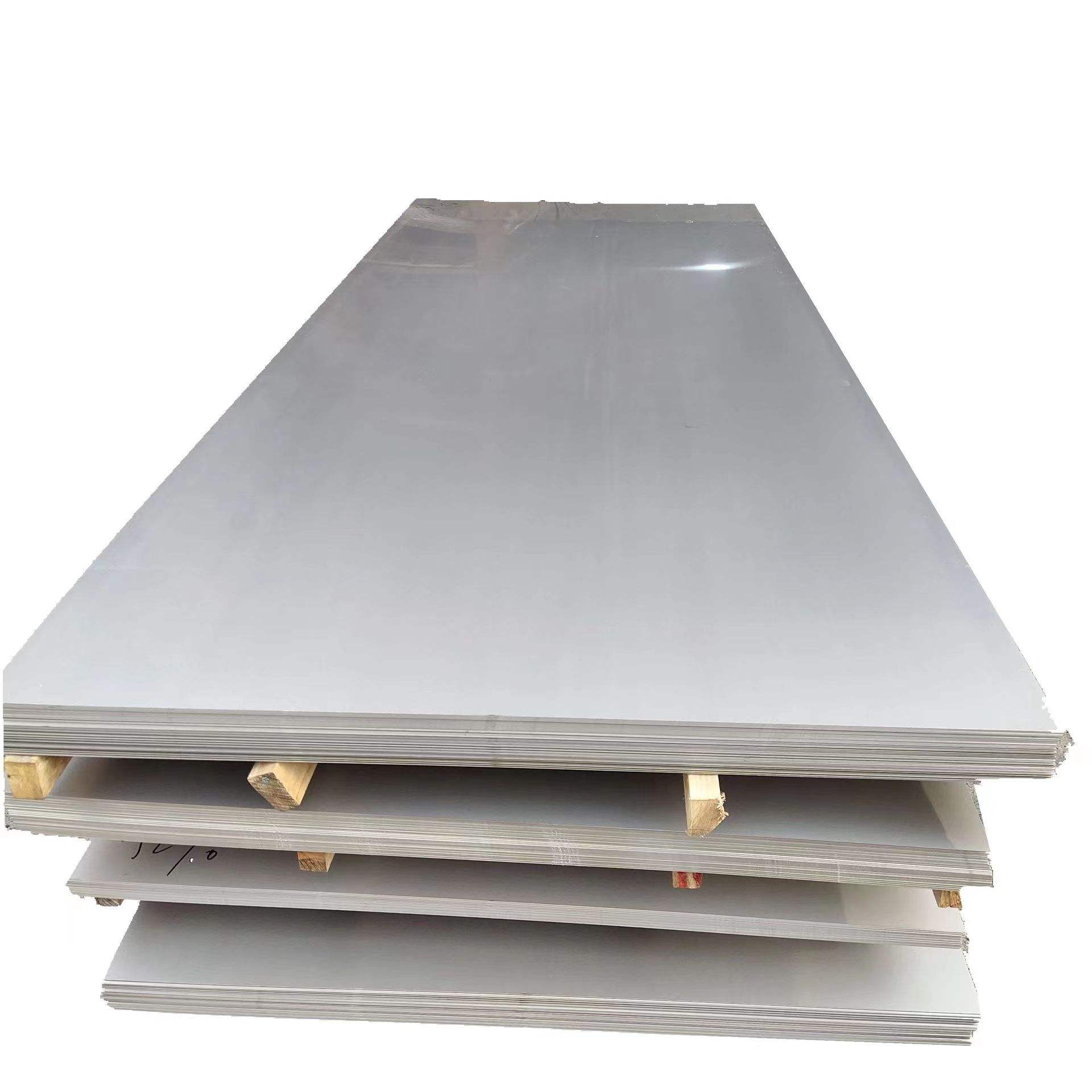
PPGI steel refers to prepainted galvanized steel coil or sheet produced by applying an organic coating (such as polyester or PVDF) on a galvanized steel substrate. Unlike post-painted steel, PPGI is coated in a controlled factory environment, ensuring uniform thickness, strong adhesion, and consistent surface quality.
The typical structure of PPGI steel includes:
- Base steel substrate (cold rolled steel)
- Zinc coating (GI) for corrosion protection
- Primer coating
- Topcoat (color coating)
- Optional back coat
This multi-layer protection system makes PPGI steel particularly suitable for regions with challenging weather conditions, such as many parts of Africa.
Why PPGI Steel Is Ideal for the Africa Market
1. Climate Adaptability
Africa features a wide range of climates, including tropical, coastal, desert, and high-humidity regions. PPGI steel offers excellent resistance to:
- High temperatures and UV radiation
- Heavy rainfall and humidity
- Coastal salt corrosion
- Dust and sand exposure
With appropriate zinc coating weight (such as Z275) and high-quality paint systems, PPGI steel can maintain long service life even in harsh African environments.
2. Cost-Effective Construction Material
Compared to traditional materials like concrete, clay tiles, or aluminum sheets, PPGI steel provides an excellent balance between cost, durability, and aesthetics. Its lightweight nature reduces transportation and installation costs, which is particularly important for landlocked African countries.
3. Fast Installation and Low Maintenance
PPGI steel sheets are easy to form, cut, and install. Once installed, they require minimal maintenance, making them ideal for large-scale housing projects and industrial developments across Africa.
 Main Applications of PPGI Steel in Africa
Roofing and Cladding
Roofing is the largest application segment for PPGI steel in Africa. Color-coated roofing sheets are widely used in:
- Residential housing
- Commercial buildings
- Warehouses and factories
- Schools and hospitals
Popular profiles include corrugated sheets, trapezoidal sheets, and tile-effect roofing panels.
Industrial and Infrastructure Projects
PPGI steel is commonly used in industrial buildings, logistics centers, power plants, and infrastructure-related structures due to its strength and corrosion resistance.
Agricultural Buildings
In many African countries, PPGI steel is used for barns, storage sheds, poultry houses, and silos. Its resistance to moisture and chemicals helps extend the service life of agricultural facilities.
Appliances and Light Manufacturing
PPGI coils are also used in manufacturing home appliances, cabinets, doors, and furniture components, especially in countries with growing local manufacturing sectors.
Common Specifications for Africa Market
| Item | Typical Range |
|---|---|
| Steel Thickness | 0.25 – 0.60 mm |
| Zinc Coating | Z40 – Z275 g/m² |
| Paint Type | PE, SMP, HDP, PVDF |
| Top Coat Thickness | 12 – 25 microns |
| Coil Width | 914 / 1000 / 1200 / 1250 mm |
| Standards | ASTM A755, EN 10169, JIS G3312 |
Specification requirements may vary depending on local standards, climate conditions, and end-use applications.
Key Africa Markets for PPGI Steel
Major importing countries for PPGI steel in Africa include:
- Nigeria
- Kenya
- Ghana
- Tanzania
- Ethiopia
- South Africa
- Uganda
West and East Africa show particularly strong growth due to housing shortages, government infrastructure programs, and private real estate investments.
Supply Chain and Export Trends
Most PPGI steel used in Africa is imported, with major supply sources including China, India, Vietnam, and Turkey. Chinese suppliers remain highly competitive due to:
- Large-scale production capacity
- Wide range of colors and specifications
- Flexible minimum order quantities
- Cost-efficient logistics
However, African buyers increasingly focus on consistent quality, coating durability, and after-sales support rather than price alone.
Quality Considerations When Buying PPGI Steel
For the Africa market, buyers should pay special attention to:
- Actual zinc coating weight (not nominal)
- Paint brand and coating thickness
- Adhesion and bending performance
- Salt spray and UV resistance test results
- Packing suitable for long-distance sea transport
Choosing reliable suppliers and conducting pre-shipment inspections can significantly reduce project risks.
Future Outlook of PPGI Steel in Africa
The long-term outlook for PPGI steel in Africa remains highly positive. Factors supporting growth include:
- Continued urban population expansion
- Government-led affordable housing projects
- Infrastructure investment under regional development plans
- Increasing preference for durable and aesthetic building materials
As sustainability becomes more important, demand for higher-quality, longer-life PPGI products is expected to increase.
Frequently Asked Questions (FAQ)
1. What is the difference between PPGI and GI steel?
GI steel is galvanized steel without paint coating, while PPGI steel is prepainted galvanized steel. PPGI offers better corrosion resistance, improved appearance, and longer service life.
2. Which paint coating is best for Africa’s climate?
For most African regions, PE coating is sufficient. For coastal or high-UV areas, SMP or PVDF coatings provide better durability and color retention.
3. What thickness is commonly used for roofing in Africa?
Roofing sheets typically range from 0.30 mm to 0.45 mm, depending on wind load, building design, and local preferences.
4. How long does PPGI steel last in Africa?
With proper zinc coating and paint system, PPGI steel can last 15–25 years or more under normal African climate conditions.
5. Is PPGI steel suitable for coastal African regions?
Yes, provided that higher zinc coating (such as Z275) and corrosion-resistant paint systems are used, PPGI steel performs well in coastal environments.